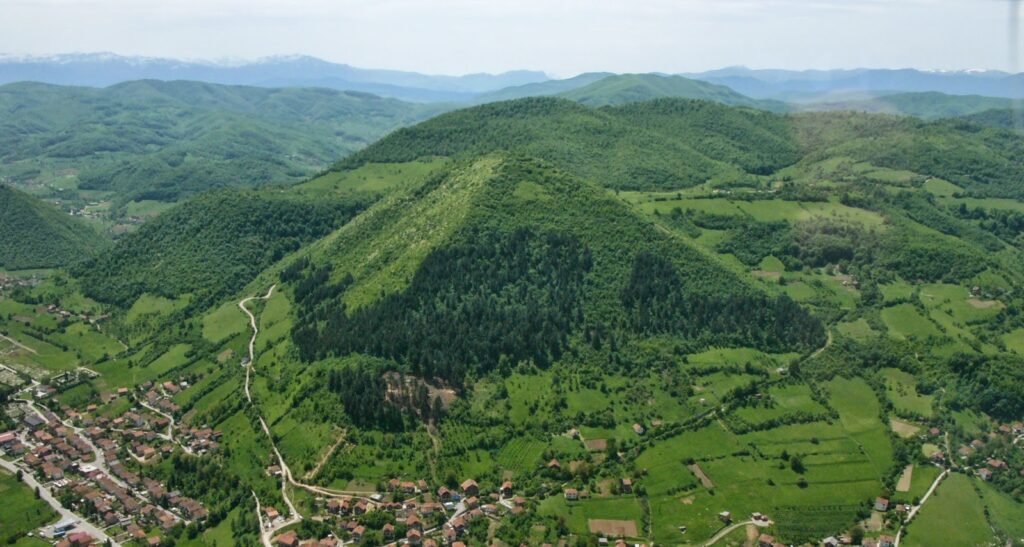
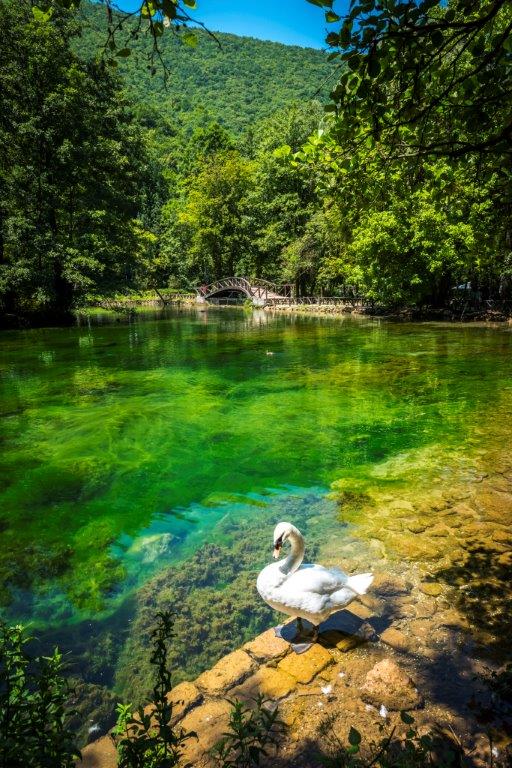
Vrelo Bosne, in the municipality of Ilidža, is one of the country's popular natural landmarks and provides a quiet escape from an otherwise busy city life. A Roman Bridge is located not far from Vrelo Bosne on the Bosna river in the Ilidža municipality, which was built sometime between 1530 and 1550 from the original Roman stones and ruins of the bridge that stood there during the Roman period used to connect the Romans with the village of Aquae Sulphurae at the time. Ilidža is also known to have been an archaeological place.
The spring water at Vrelo Bosne is drinkable, however not recommended.
The park is usually entered by foot or, for a reasonable price, by horse-carriage via the 3 kilometer straight main avenue (Velika Aleja) leading into it. The avenue itself contains traditional buildings from the Austro-Hungarian-era offering a peek into the luxuries of the past.
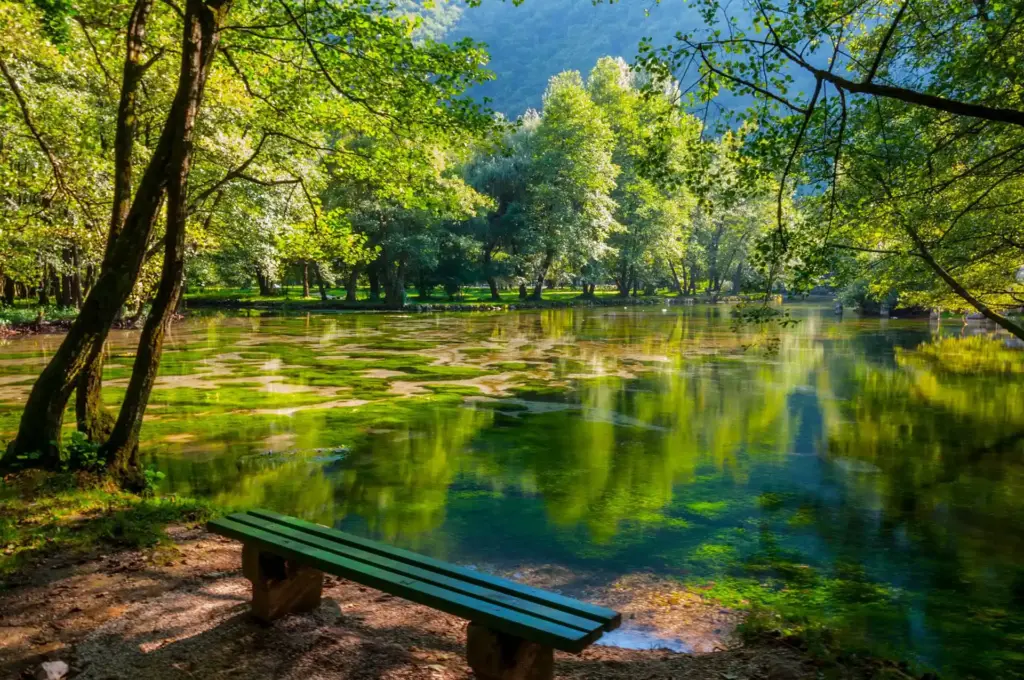
Breakfast in the hotel. After breakfast departure to Konjic. Konjic is a city and municipality located in Herzegovina-Neretva Canton of the Federation of Bosnia and Herzegovina, an entity of Bosnia and Herzegovina. The city is one of the oldest permanent settlements in Bosnia and Herzegovina, dating back almost 4000 years; the city in its current incarnation arising as an important town in the late 14th century. After visiting Konjic we proceed to Jablanica city. You will have the chance to taste Herzegovina specialties in a local restaurant in Jablanica. After visiting Jablanica we are going to Mostar. We will visit most beautiful bridge in Bosnia, Mostar bridge. <p></br>
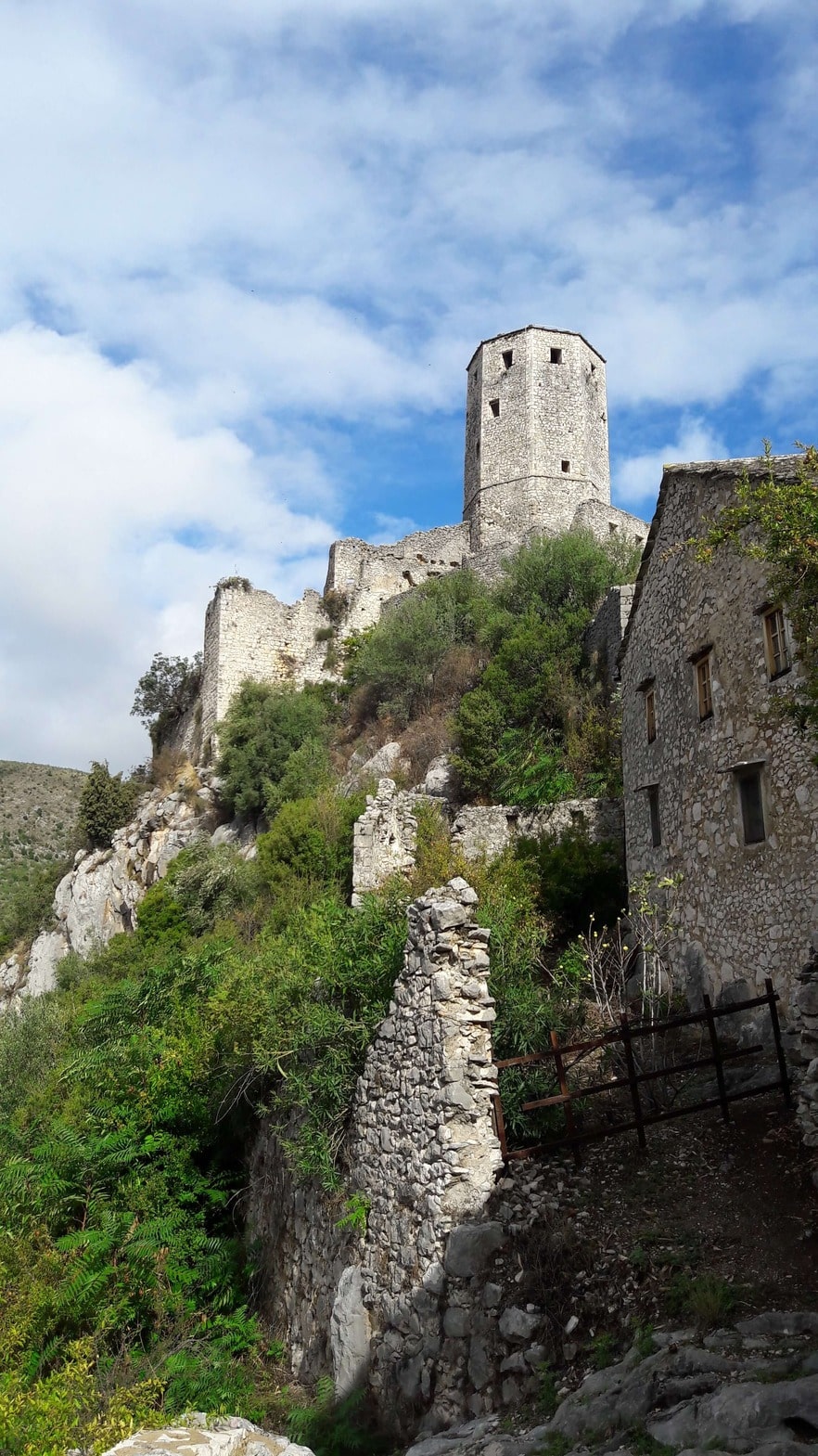
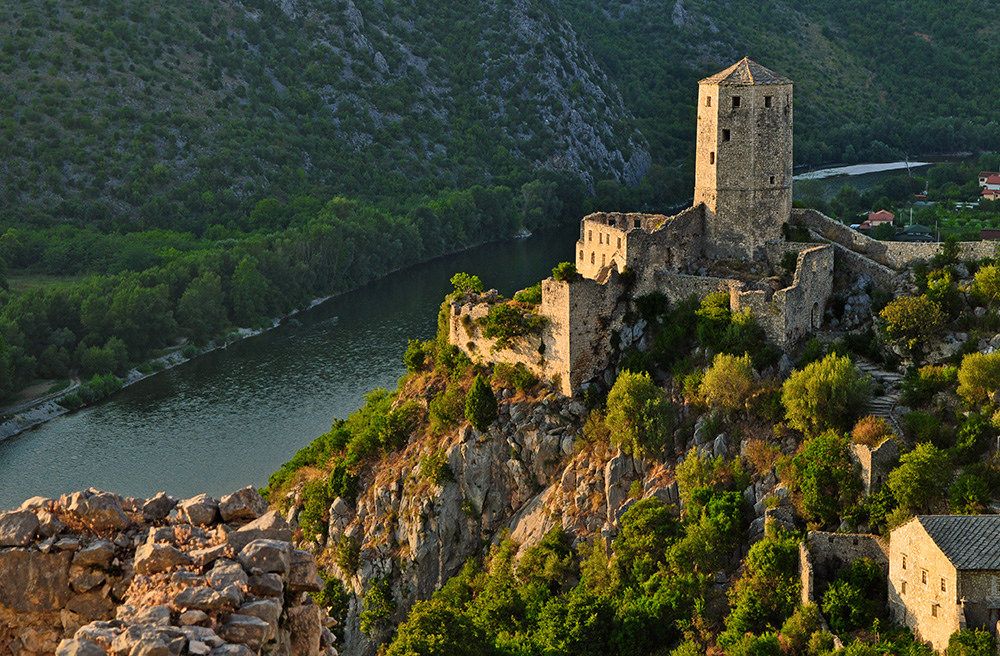
You will also have opportunity to see the Koski Mehmed-pasha's mosque, Turkish hammam, Clock tower, sinagogue (1889.), Nesuh-aga Vucjaković Mosque, Hadzi-Kurt Mosque, Metropolitan Palace (1908.), Karadjoz-Bey's Mosque (1557.), Ottoman Residences (16-19th century). After sightseeing and free time you will have the chance to visit Pocitelj, an old pass keeper on the banks of emerald Neretva river. <p></br>
After visiting Mostar we are going to Blagaj. Blagaj is a village-town in the south-eastern region of the Mostar basin, in the Herzegovina-Neretva Canton of Bosnia and Herzegovina. It stands at the edge of Bišće plain and is one of the most valuable mixed urban and rural structures in Bosnia and Herzegovina, distinguished from other similar structures in its urban layout. Blagaj was most likely named for its mild weather patterns since blaga in Serbo-Croatian means "mild".Blagaj is situated at the spring of the Buna river and a historical tekke (tekija or Dervish monastery). <p></br>
The Blagaj Tekija was built around 1520, with elements of Ottoman architecture and Mediterranean style and is considered a national monument. Blagaj Tekke is a monastery built for the Dervish.

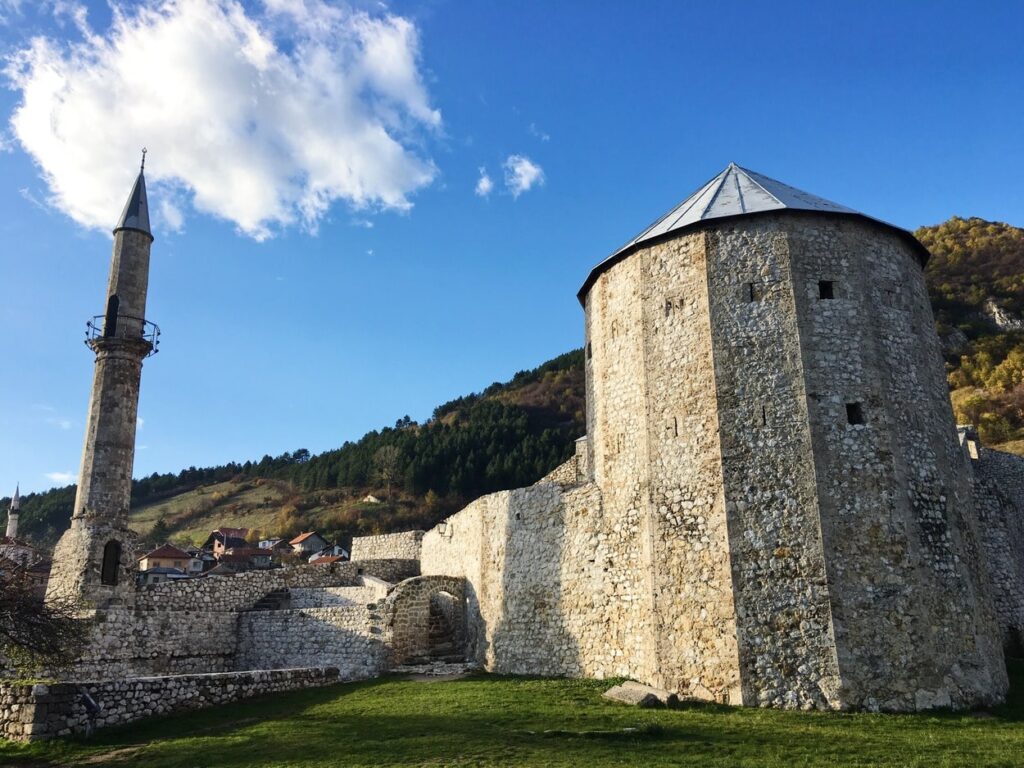
The true history of Travnik begins during the first few centuries AD. Dating from this time there are numerous indications of Roman settlement in the region, including graves, forts, the remains of various other structures, early Christian basilicas, etc. In the town itself, Roman coins and plaques have been found. Some writing found indicates the settlement is closely connected to the known Roman colony in modern-day Zenica, 30 km (19 mi) away.<p></br>
In the Middle Ages the Travnik area was known as the župa Lašva province of the medieval Bosnian Kingdom. The area is first mentioned by Bela IV of Hungary in 1244. Travnik itself was one of a number of fortified towns in the region, with its fortress Kaštel becoming today's old town sector. The town itself is first mentioned by the Ottomans during their conquest of nearby Jajce. <p></br>
Departure to Jajce. Jajce was first built in the 14th century and served as the capital of the independant Bosnian kingdom during its time. Eventually, in 1528, Jajce became the last Bosnian town to fall to Ottoman rule. There are several mosques and churches built in different times during different rules, making Jajce a diverse town in this aspect. You will also be able to see the beautiful Jajce waterfalls. The tour will take you to the catacombs a unique, monumental building in Europe. <p></br>
It is located within the medieval walls, built in the late 14th and early 15th century. We will have lunch in a local restaurant with a beautiful view to the city and the river. After lunch there will be a possibility to have a boat ride on Pliva river for about 45 min. to an hour. We will also take you to Mlinice, the watermills on Pliva river, a breathtaking place, ideal to make some photos for memory.
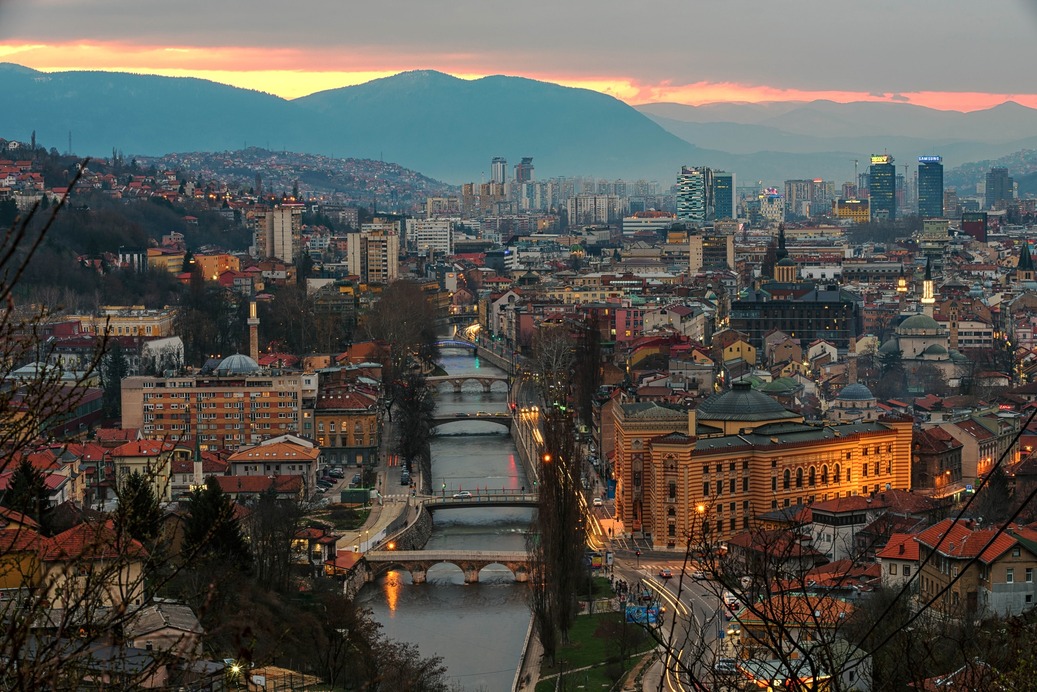
Breakfast in the hotel. Departure to the famous Sarajevo Tunnel museum, constructed by the besieged citizens of Sarajevo in order to link the city (war 1992-1995), which was cut-off by Serbian forces, with the bosnian-held territory on the other end of the supposedly neutral area at the Sarajevo Airport controlled by the United Nations. Later on, we're going to visit Trebevic mountainAfter sightseeing you will have lunch in a local restaurant. After lunch free time for individual activities. In the evening, dinner at the hotel. Overnight.
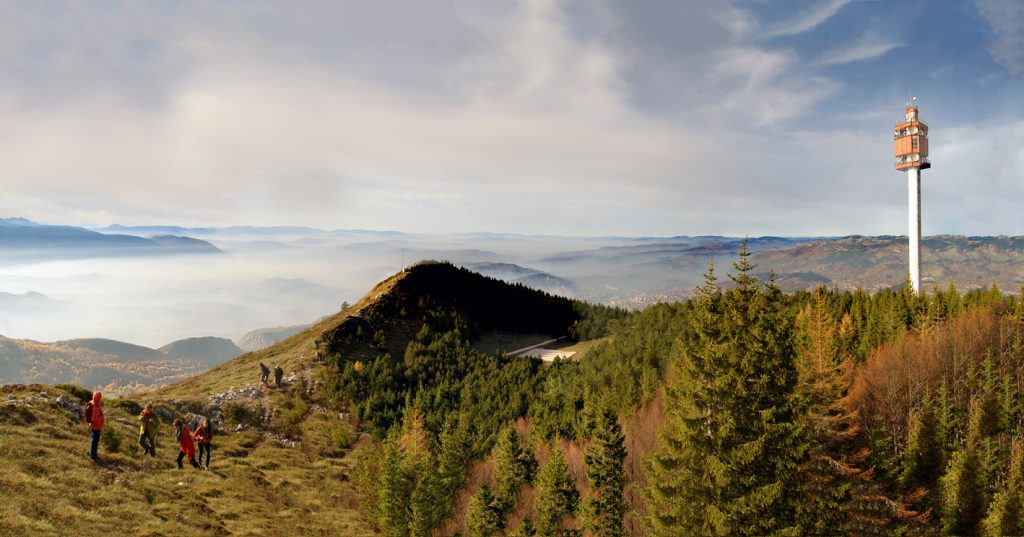
Jahorina is a mountain in Bosnia and Herzegovina, located on the tripoint of the municipalities of Pale, Trnovo, Republika Srpska and Trnovo, Federation of Bosnia and Herzegovina. Part of the Dinaric Alps, it borders Mount Trebević and its highest peak Sjenište, has a summit elevation of 1,910 metres (6,270 ft), making it the second-highest of Sarajevo's mountains.